As electric vehicles (EVs) continue to grow in popularity, many drivers are curious about how owning one compares to a traditional gas-powered car — especially when it comes to keeping the vehicle powered. At first glance, charging an EV might seem similar to refueling at a gas station, but in practice, it’s a completely different experience. This article breaks down the key differences between charging an EV and refueling a gasoline vehicle.
Electric Vehicles Charging Guide
Electric Vehicles (EVs) are transforming the way we travel by offering a cleaner, quieter, and more cost-effective alternative to traditional petrol and diesel vehicles. As EV adoption increases across India and the world, understanding the key guidelines around their use, purchase, and maintenance becomes essential.
Types of EV Charging
- Electric vehicles can be charged using three main types of chargers—Level 1, Level 2, and DC Fast Chargers. Level 1 uses a standard home socket and is the slowest, typically taking 8–10 hours for a full charge. DC fast chargers are high-powered stations found on highways and public networks, capable of charging 80% of the battery in just 30–60 minutes.
Where to Charge
- You can charge your EV at home, workplaces, or public charging stations. Home charging is the most convenient and affordable, especially when done overnight. Many offices and commercial buildings now provide charging points for employees.
Charging Best Practices
- To keep your EV battery healthy, it’s best to avoid charging to 100% daily and instead maintain it between 20% and 80%. Overnight charging at home during off-peak hours saves both time and money. Use only certified chargers, and always ensure that the charging equipment and cables are in good condition.
Safety Tips
- Charging an EV is generally safe, but precautions are necessary. Always use manufacturer-approved chargers, never charge with wet hands or in flooded areas, and keep the charging port clean. At public stations, unplug and move your vehicle once charging is complete to allow others to use the spot.
Battery Swapping (Optional for 2 & 3-Wheelers)
- For electric two-wheelers and delivery vehicles, battery swapping is gaining popularity. Instead of charging, users can simply exchange their empty battery for a charged one in under five minutes, reducing downtime and boosting convenience for commercial use.
What is an EV?
An Electric Vehicle (EV) uses an electric motor powered by a battery pack to move, instead of a fuel-powered engine.
There are three main types:
- BEV (Battery Electric Vehicle): Fully electric, no fuel engine (e.g., Tata Nexon EV, MG ZS EV).
- PHEV (Plug-in Hybrid Electric Vehicle): Combines an electric motor and petrol engine.
- HEV (Hybrid Electric Vehicle): Petrol-powered with electric assist (not plugged in).
Key Components of an EV
- Battery Pack: Stores electricity (like a smartphone battery, but bigger).
- Electric Motor: Powers the wheels.
- Onboard Charger: Converts AC electricity to DC for the battery.
- Charging Port: Where you plug in the charger.
EV Market in India
- Growing rapidly, with support from government schemes like FAME II
- Popular models: Tata Nexon EV, MG Comet EV, Mahindra XUV400, BYD Seal
- Charging infrastructure expanding across cities and highways
Click here: Best Luxury Electric Cars in India
Charging Habits for Electric Cars
Daily Charging at Home
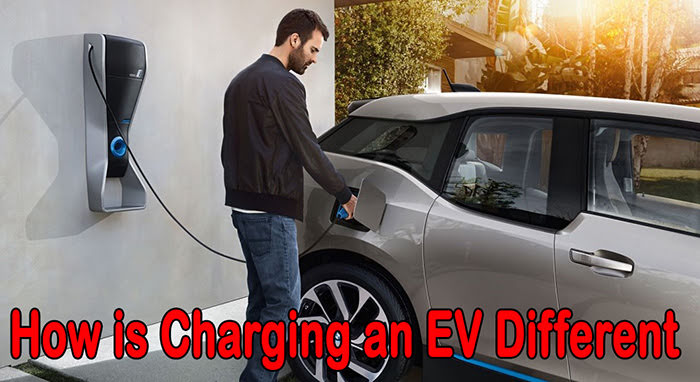
- Most EV owners plug in overnight at home.
- Ensures a full battery each morning.
- Convenient and cost-effective.
Top-Up Instead of Full Recharge
- EVs are often topped up daily rather than charged from 0 to 100%.
- Keeps the battery level healthy and range anxiety low.
Preferred Home Location
- Level 2 home chargers are common for faster charging.
- Home charging accounts for 70–80% of EV charging.
Public Charging for Travel or Emergencies
- Used mainly for long trips or when home charging isn’t available.
- DC fast chargers provide quick boosts during road trips.
Off-Peak Charging
- Many EV owners charge during off-peak electricity hours (nighttime).
- Lower electricity rates = more savings.
Weekly Planning
- EV owners may plan routes based on available chargers.
- Apps help locate nearby charging stations.
Avoiding 100% Charges Frequently
- To prolong battery life, many avoid charging to 100% regularly.
- Keeping charge between 20%–80% is recommended for daily use.
Battery Monitoring
- EVs offer detailed battery status and range estimates.
- Drivers use this info to plan when and where to charge.
Solar Integration (Optional)
- Some EV owners with solar panels charge using clean, free energy.
Takes Charging Time Scheduled
- Unlike gas, charging takes longer, so charging is part of routine, not a separate errand.
How long does it take to charge an Electric Vehicle
Charging time depends on three main rules:
- Charger type (Level 1, 2, or DC Fast Charger)
- Battery size
- Current battery level
Level 1 Charging (Standard Wall Outlet – 120V)
- Speed: 3–5 miles of range per hour
- Time to full charge: 20–40+ hours (depending on battery size)
- Best for: Overnight home charging if you drive short distances
- Plug type: Standard home outlet (no installation required)
Level 2 Charging (240V Home or Public Charger)
- Speed: 15–30 miles of range per hour
- Time to full charge: 4–8 hours (average EV battery)
- Best for: Home charging with dedicated EV charger or public stations at malls, workplaces
- Installation: Requires a dedicated 240V outlet (like a dryer plug)
DC Fast Charging (Public Superchargers)
- Speed: 100–250+ miles of range in 20–30 minutes
- Time to 80% charge: 20–60 minutes (Charging speed slows after 80% to protect battery)
- Best for: Long road trips or quick top-ups
- Location: Highway rest stops, EV charging networks
Check also: History of The Electric Cars
Battery Size Matters
- Larger batteries (e.g., 100 kWh) take longer to charge than smaller ones (e.g., 40 kWh), even on the same charger.
State of Charge (SOC) Affects Time
- Charging from 0% to 80% is much faster than 80% to 100%.
- Most fast chargers slow down after 80% to prevent battery damage.
Charging vs. Gasoline Cost Savings
As fuel prices continue to rise, many Indian drivers are switching to electric vehicles (EVs) to save money. But how much can you actually save by charging an EV instead of filling up with petrol or diesel?
Petrol/Diesel
- Average Petrol Price: ₹100–₹120 per litre (varies by state)
- Most petrol cars give 15–20 km per litre
- Cost per 100 km: ₹500–₹800
Electricity
- Average Electricity Rate: ₹6–₹10 per unit (kWh)
- Most EVs consume 12–20 units per 100 km
- Cost per 100 km: ₹80–₹200
Result: Charging an EV is up to 75% cheaper than petrol.
Monthly Driving Cost (1,000 km/month)
| Vehicle Type | Fuel Used | Monthly Cost (Approx) |
| Petrol Car | 60–70 litres | ₹6,000–₹8,500 |
| EV (Home Charging) | 120–150 units | ₹900–₹1,500 |
Check also: इलेक्ट्रिक गाड़ी चार्जिंग रेट्स आज के क्या हैं
Public Charging vs. Home Charging
| Charging Type | Cost per Unit (kWh) | Cost per 100 km |
| Home Charging | ₹6–₹8 | ₹100–₹150 |
| Public Charger | ₹12–₹20 | ₹200–₹400 |
Switching to an EV in India can save you ₹5,000–₹8,000 per month, mainly on fuel and maintenance. While the upfront cost of EVs may be slightly higher, the long-term savings make them a smart financial choice.
Final Thoughts
Charging an EV isn’t just a new way to “fuel” it represents a shift in mindset. Instead of making a trip to the gas station, EV owners can conveniently plug in at home. While charging takes longer than filling a gas tank, it’s often done when you don’t need the car like overnight.
As charging infrastructure grows and battery technology improves, charging an EV will only get faster and easier. For many drivers, the benefits of lower fuel costs, reduced emissions, and the convenience of at-home charging far outweigh the differences.
Useful link:-